


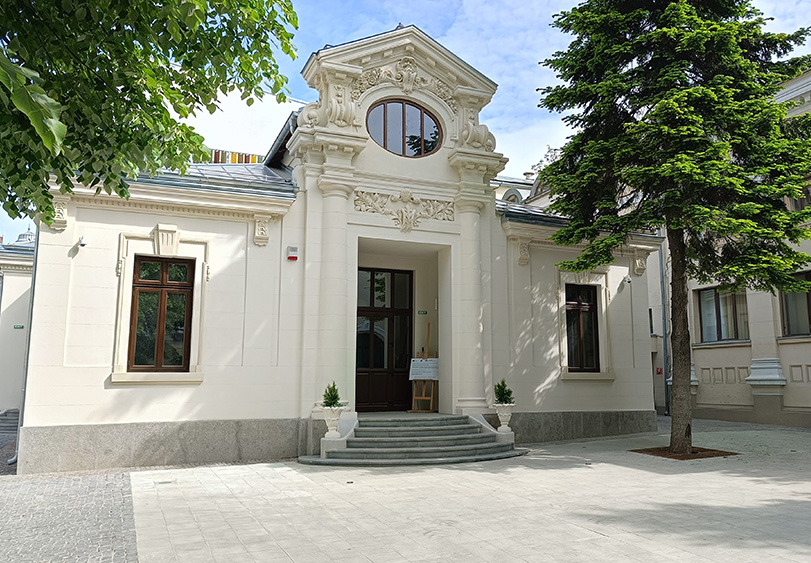
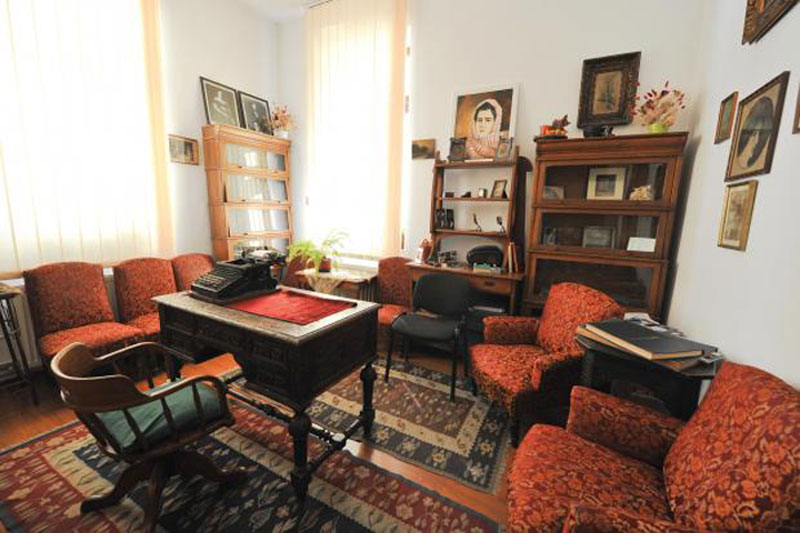
In the center of Craiova, in the same courtyard with the headquarters of the “Alexandru and Aristia Aman” County Library, is the house where the poet Elena Farago, a brilliant representative of Romanian literature and the cultural life of Craiova, lived.
Appointed director of the “Alexandru and Aristia Aman” Foundation in September 1921, the poet led the destinies of this cultural center for over three decades, making special contributions regarding the organization and functioning regulations of the library, the filing of books and keeping accurate records of the arrangement of publications on the library shelves, and the completion of collections through acquisitions and donations.
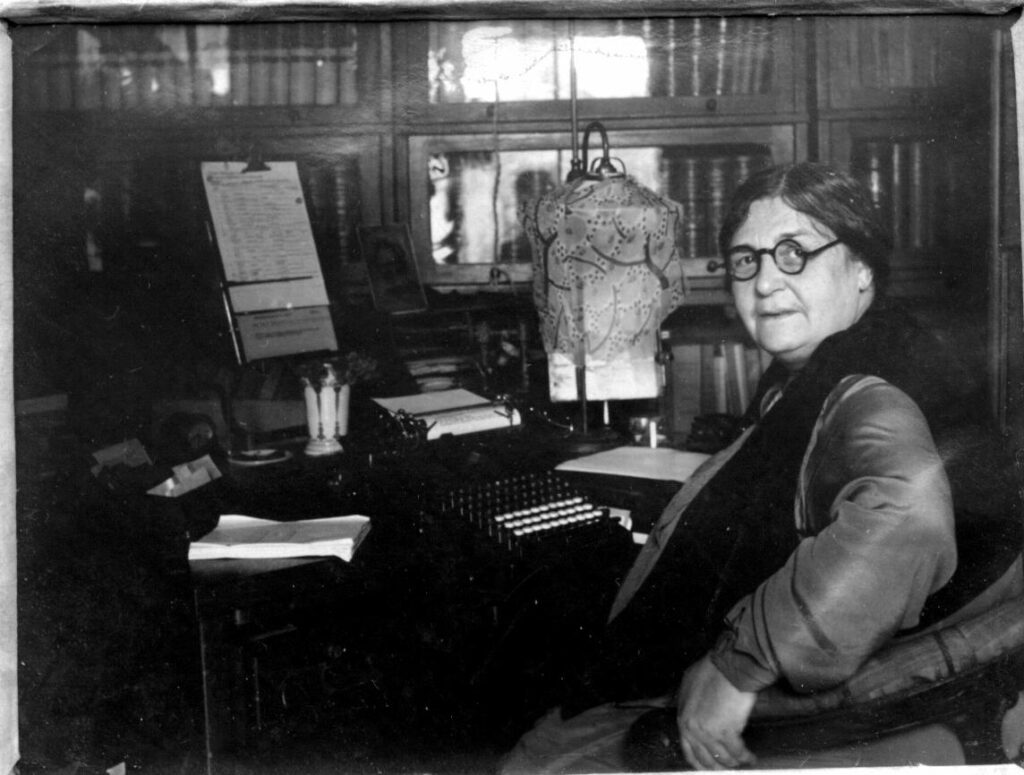
After taking over the management of the foundation, the poet moved into the house that could serve as housing for the library and museum staff, according to Aristia Aman’s will. Here she lived and created until the end of her life.
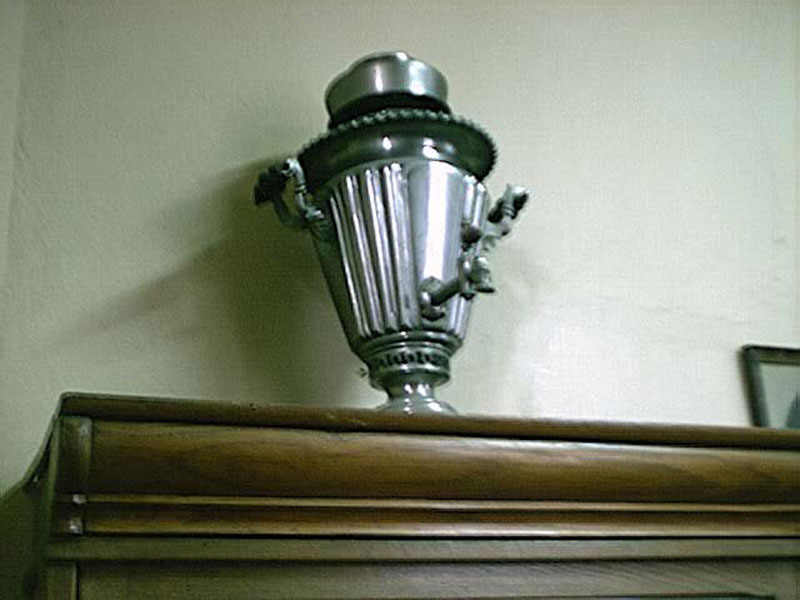
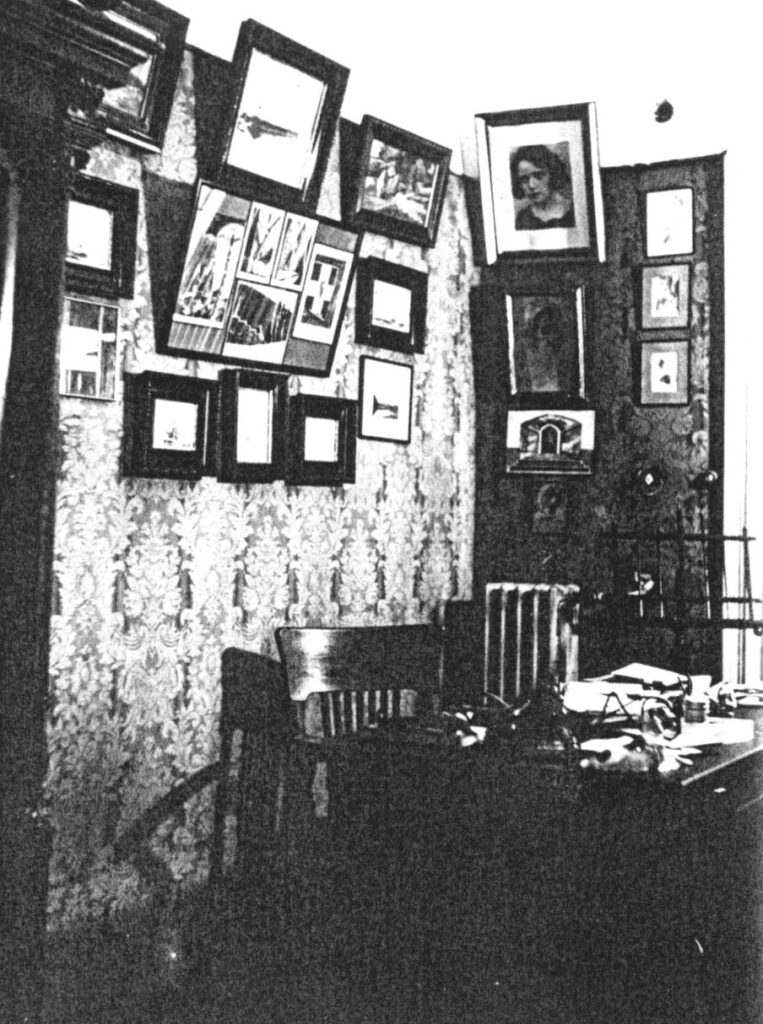
The memorial house preserves books, documents, photographs, letters, furniture and other objects that belonged to the poet and her family.
From the life of the poet
She was born on March 29, in Bârlad. Descendant of an old family of Greek origin (Tomaide after her mother, Paximade after her father), she is the second of seven children of Anastasia and Francisc Paximade.
They attend primary school and two middle school classes in Bârlad, at the Varlaam and Drouhet boarding houses.
Between 1884 and 1890, the Paximade family suffered many hardships. Three of the seven children died, and in 1890, when Elena was 12 years old, her mother passed away. Together with her father and three brothers, Elena tried to cope with the hardships of life. But fate would strike her a second time. In January 1895, her father fell ill and, after two weeks of agony, died in her arms.
In 1896, seriously ill, she was admitted to the Colțea Hospital in Bucharest. During her convalescence, she lived with her older brother, Ernest, who had settled in Bucharest. Recovering from her illness, she took a job in the house of Gh. Panu – journalist and politician. Here she met our great playwright I.L. Caragiale, who, upon learning her life story, exclaimed: “a life of a novel, a subject of a drama”.
For two years, Elena was the governess of Caragiale’s children. In an interview with the magazine Rampa in 1927, the poet confessed: “they were the most beautiful years of my youth.” In the writer’s house, the future poet met Al. Vlahuță and G. Ranetti.
While attending the Socialist Circle, she met Francisc Farago – an economist – whom she would marry. In 1905, Francisc Farago was appointed director of the Banca Populare in Craiova. The poet settled in the Citadel of Baniei, where she would remain until the end of her life.
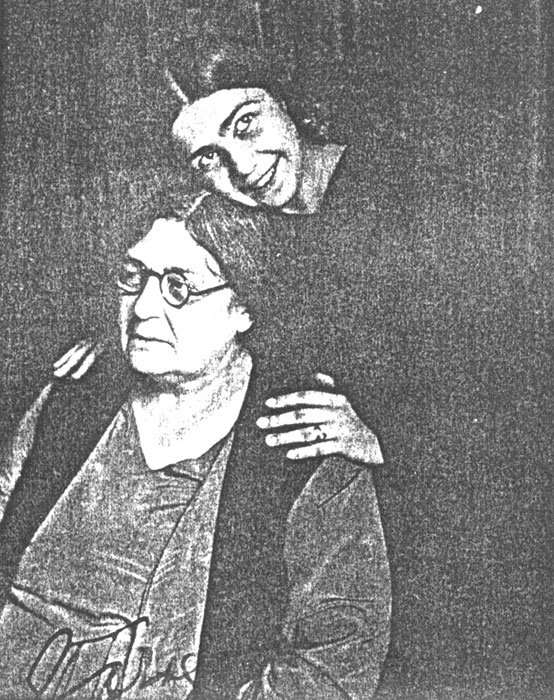
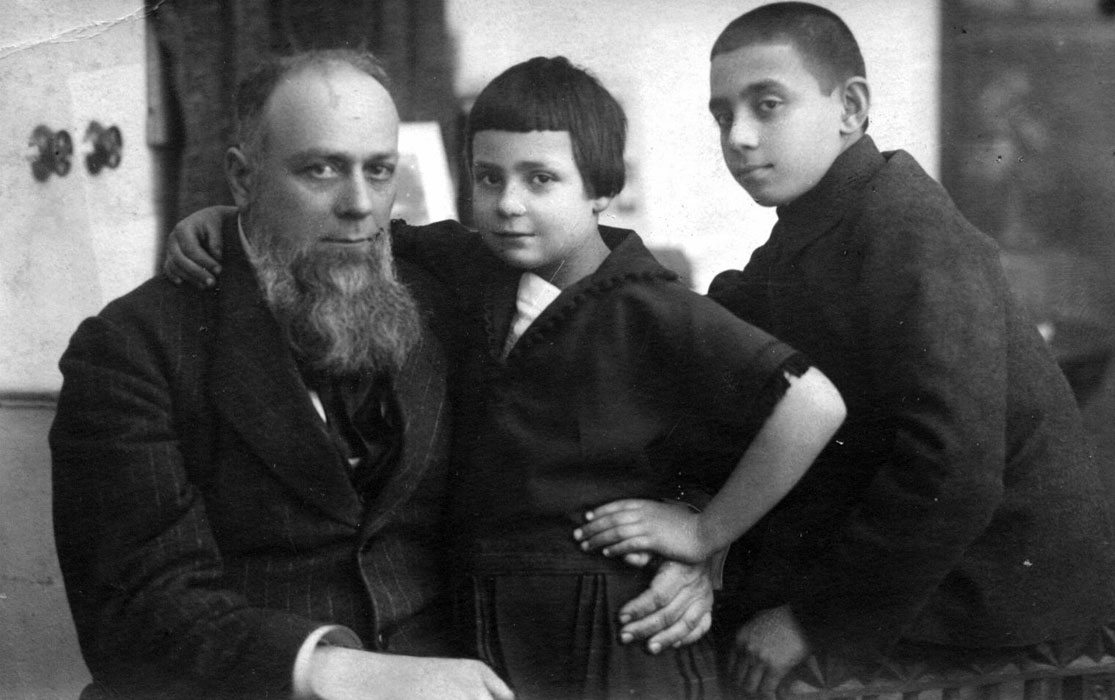
Family photos
Elena Farago; the poet’s husband, Francisc Farago, with their children; the poet’s children: Coca and Mihnea; Elena Farago with her daughter.



From the work of the poet
Elena Farago started writing at a very young age.
Elena Farago made her literary debut in 1898, with a report she signed with the pseudonym Fatma.
At the urging of Nicolae Iorga, his great friend, he published his first poem in 1902, in the newspaper România Muncitoare.
At the urging of Nicolae Iorga, he published his first volume of poems, entitled Versuri, in 1906, at the Luceafărul Publishing House in Budapest, which was well received by literary critics.
Then came the volumes:
Whispers from the Shadows (1908),
Free Translations (1908),
From the Mystery of Old Crossroads (1913),
Whispers of Twilight (1920),
Selected Poems (1924),
I Have Not Bowed My Knees (1926),
Poems (1937).
Books for children
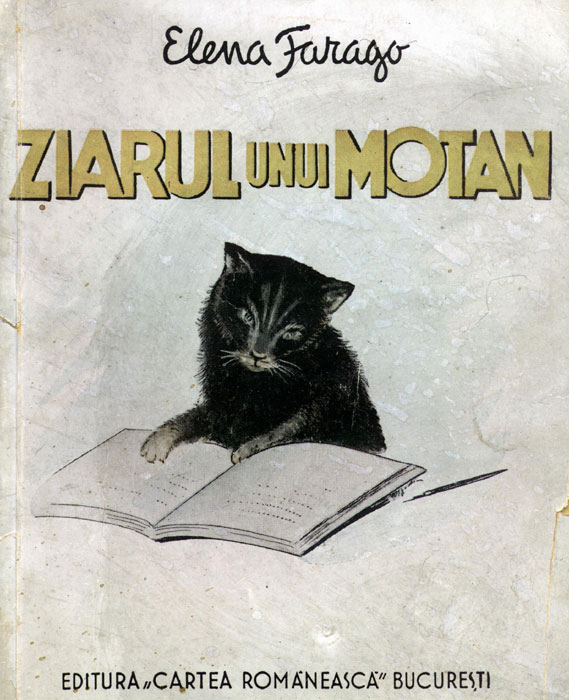
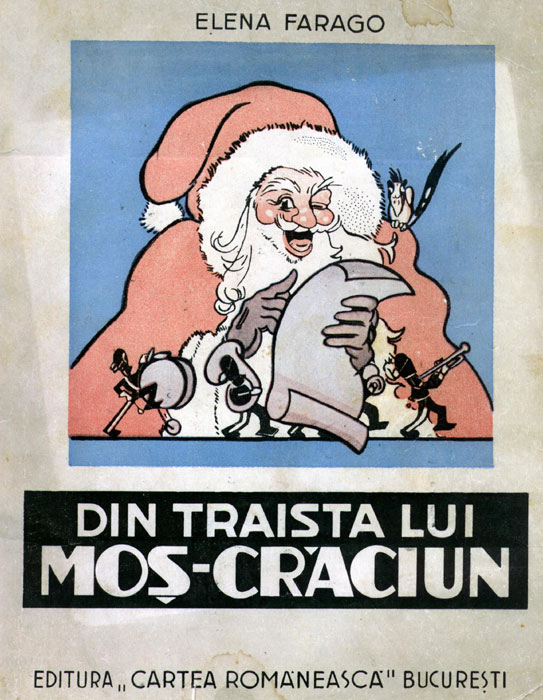
He wrote literature for children, most of the volumes being in verse: For Children (I, 1913; II, 1920), Children (1913), From Santa’s Bag (1920), Bobocica (1921), Let’s Not Cry (1921), Let’s Be Good (1922, prose), A Cat’s Diary (1924, prose), In a Swallow’s Nest (1925, prose), He Clucked a Wooden Egg (1943), On a Christmas Night (1944), 4 Mischievous Guzzlers (1944), etc.


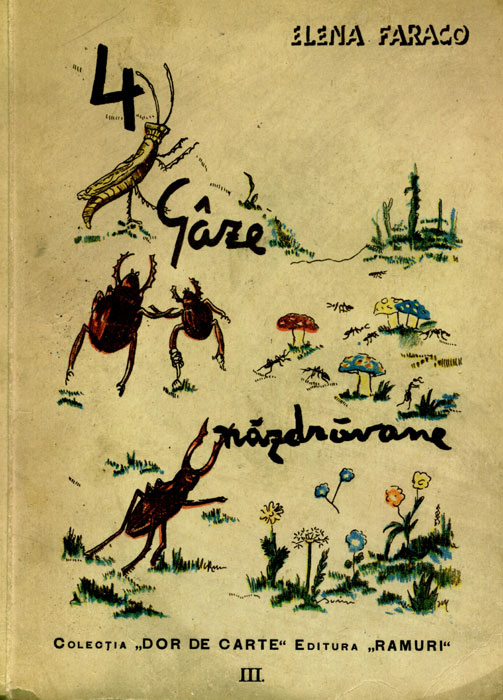

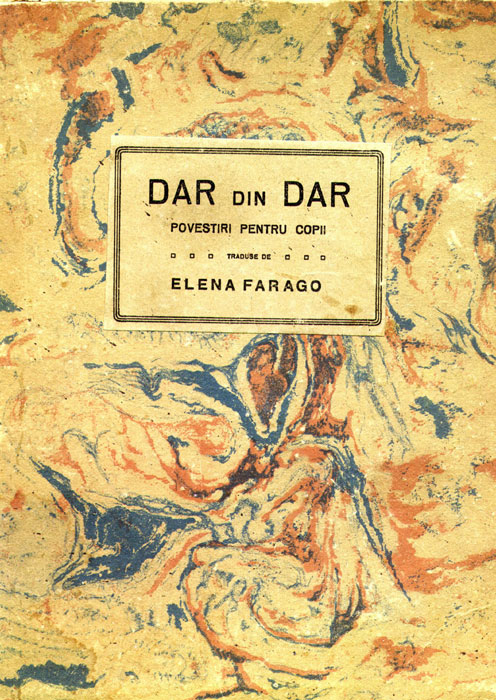
Elena Farago’s name is present in the prestigious publications of the time: Literary Conversations, Sămănătorul, Ramuri, Revista noastră, Neamul Țrămânesc literare, Viața Șrămânească, Arhivele Olteniai, Cosânzeana, etc.
He founded in Craiova, together with I.B. Georgescu, C. Gerota, I. Dongorozi, C.D. Fortunescu, a remarkable literary magazine, Năzuința (1922–1925), to which the following collaborated: Simion Mehedinți, Ion Barbu, Perpessicius, Victor Eftimiu, Camil Petrescu, Mihail Dragomirescu.
For the younger generation, he patronized Prietenul Copiilor (1943–1946), an educational magazine for children and youth.

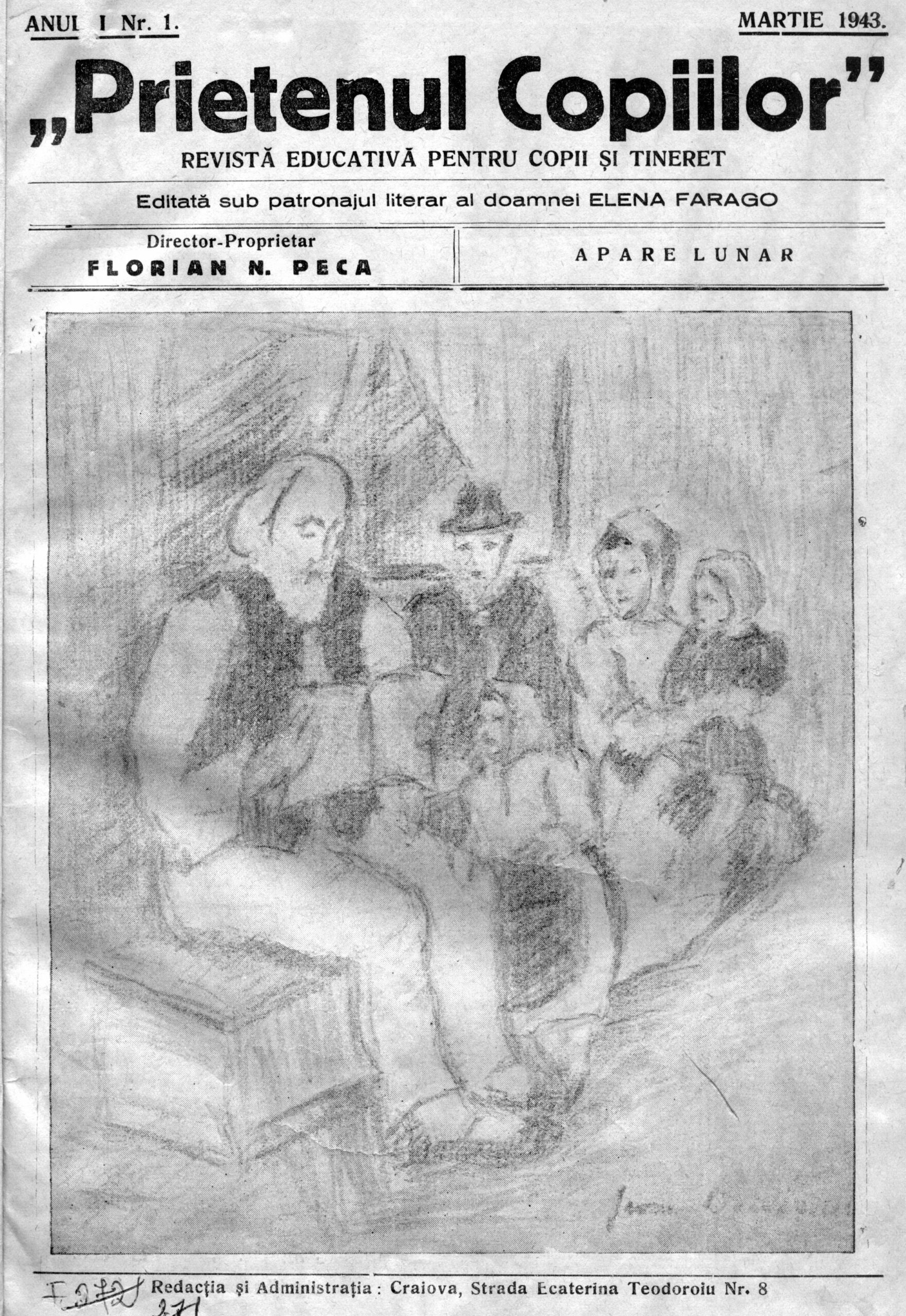
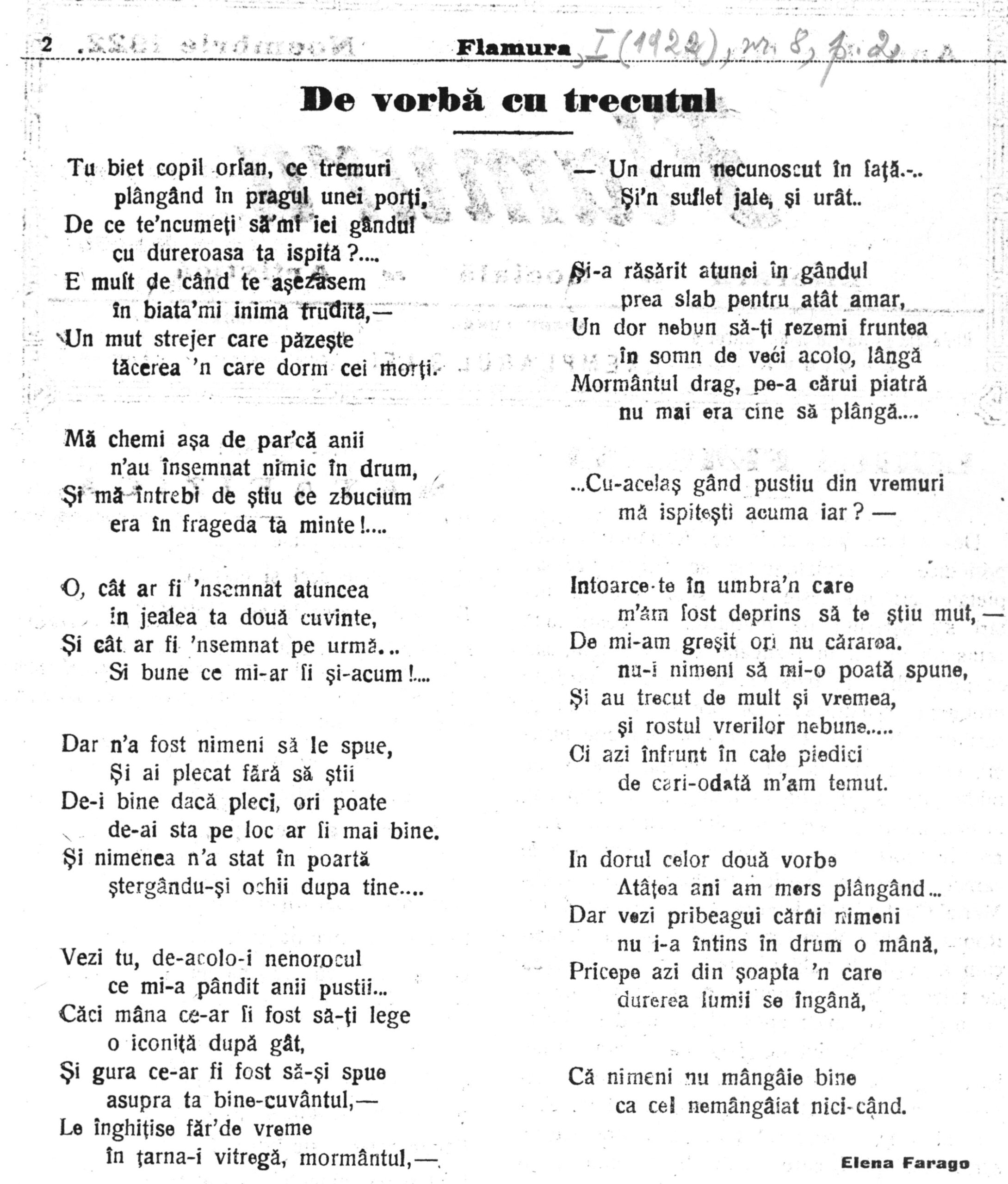

Laureate of the Romanian Academy with the Adamachi Prize for the volumes Whispers from the Shadows (1908) and Free Translations (1908), then for the volumes Whispers of Twilight (1920) and From Santa Claus’ Bag (1920), with the Neuschotz Prize (1927) for Ziarul unui motan (1924), she also received the Femina International Prize (1924), and in 1938 the National Prize for Literature, a well-deserved recognition of her work.
King Carol II awarded the poet, for literary merits, the Bene Merenti medal, first class, and the Order of Cultural Merit – Knight, second class.
In 1978, at the proposal of UNESCO, the poet was honored on the 100th anniversary of her birth.
To honor her memory, the library staff organizes a program of cultural activities every year, in March, under the title Elena Farago Days.
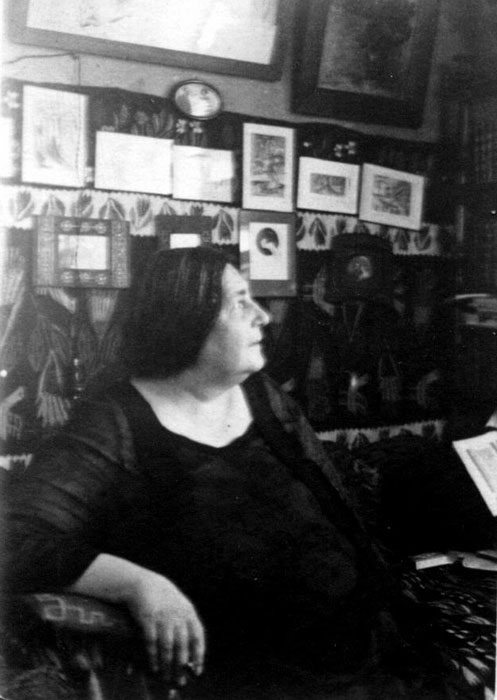
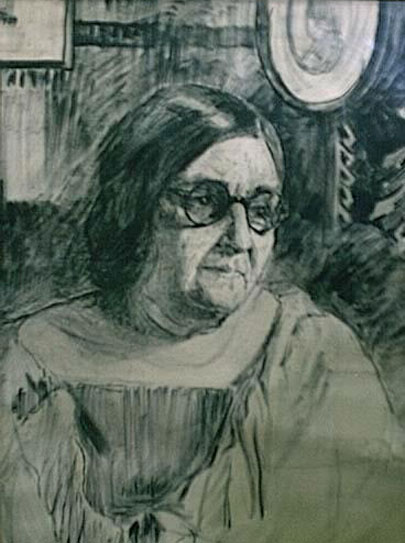
Portrait by V. Velisarat.